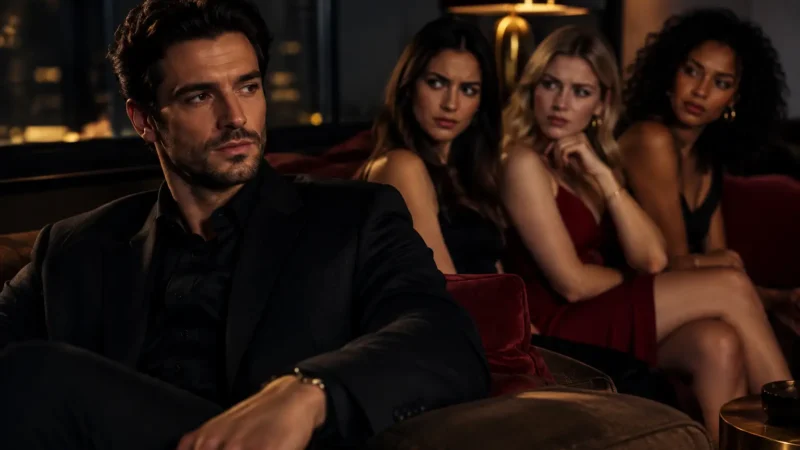
A woman can spot the difference between a man wearing expensive clothes and a man who simply looks put together. The first can be sloppy in a $600 jacket. The second understands how to look expensive on a normal budget: clean lines, controlled color, proper fit, and zero visible desperation.
This is not about pretending you are rich. That act falls apart the second you start talking, checking price tags, or wearing a loud logo you clearly cannot afford. It is about presenting yourself as a man with standards. That reads well on a date, at a bar, and anywhere first impressions matter.
Start With Fit, Not Labels
Fit beats price.
Most men waste money buying recognizable brands in the wrong size. The sleeves bunch at the wrists. The pants pool over the shoes. The shoulders hang past the actual shoulders. Nothing announces “I bought this off the rack and hoped for the best” faster.
Your shirt shoulder seam should end where your shoulder ends. Your T-shirt sleeves should land around mid-bicep, not halfway to your elbow. Your pants should touch the top of your shoes with little or no extra fabric. If you wear jeans, aim for a clean taper from thigh to ankle, not spray-painted skinny and not loose enough to catch air.
Buy one size that fits your chest and shoulders, then spend $15 to $30 at a tailor if the waist or sleeves need adjustment. Hemming pants is cheap. Taking in a shirt is usually cheap. Replacing an entire wardrobe because nothing looks right is expensive.
When trying on a jacket, button it once. You should be able to close it without pulling fabric across your chest. When trying on pants, sit down. If they cut into your waist or pull hard across your thighs, leave them. A good-looking outfit that makes you move like a robot is not a good-looking outfit.
Build a Small Uniform That Always Works
More clothes will not fix bad selection.
You do not need 40 shirts. You need a tight rotation where almost everything works together. That removes the usual male mistake: owning plenty of clothes but looking confused every time he leaves the house.
Start with neutral colors. Navy, charcoal, black, white, cream, olive, medium blue denim, and brown all work without much effort. They also make inexpensive items look calmer and more intentional. Bright colors, busy prints, and giant graphics can work, but they demand better judgment. Most men do not have that judgment yet.
Build around these pieces over time:
- Two fitted crew-neck T-shirts: one white or cream, one black, charcoal, or navy.
- Two button-down shirts: one light blue or white Oxford, one darker casual option.
- One dark pair of jeans with no heavy distressing or flashy washes.
- One pair of chinos or tailored trousers in navy, charcoal, or olive.
- One clean overshirt, bomber, or unstructured jacket in a neutral color.
- Two pairs of shoes: clean white leather sneakers and simple brown or black boots or loafers.
That is enough to create reliable combinations. White T-shirt, dark jeans, clean sneakers, and a fitted jacket beats a designer outfit assembled by a man who wants strangers to notice the price.
For a first date, keep the formula simple: dark jeans or chinos, a fitted shirt or quality T-shirt, one layer, and clean shoes. You are dressing to look capable, not like you are attending your own red-carpet event.
Spend Where People Actually Notice
Cheap shoes ruin expensive clothes.
People see your shoes, your grooming, and the condition of your clothes before they notice the label inside your collar. Put your money there first.
You do not need $400 shoes. You do need shoes without cracked leather, yellowed soles, loose laces, or dirt around the edges. Clean your sneakers every two weeks. Wipe boots after wearing them. Replace worn laces. Use a shoe tree or stuff boots with paper so they hold their shape.
Then handle grooming. Get a haircut every three to four weeks if you keep it short. If your style is longer, clean up the neckline and around the ears on the same schedule. Keep facial hair deliberate. Either maintain even stubble, trim a beard with clean lines, or shave. The patchy in-between stage does not look rugged. It looks unfinished.
Your hands matter too. Clip your nails weekly. Use moisturizer if your hands look dry. Wear a simple watch if you like one, but do not buy a fake luxury watch. A fake Rolex is not aspirational. It is a confession that you care more about appearing wealthy than appearing sharp.
Use Color and Texture Like a Grown Man
Loud is not the same as high-status.
Expensive-looking outfits usually have restraint. The colors work together. The materials have some texture. Nothing fights for attention.
Use the two-plus-one rule when getting dressed: choose two neutral colors, then add one restrained accent if you want it. For example, navy chinos and a white shirt with brown boots. Or charcoal jeans, a black T-shirt, and an olive overshirt. The accent can be a watch strap, jacket, or textured knit. It should not be five competing colors.
Texture gives basic outfits depth. A heavyweight cotton T-shirt, suede-style boot, knit polo, wool-blend overshirt, or dark raw-looking denim can look better than thin, shiny fabric at twice the price. Avoid anything that looks plasticky, overly stretched, or aggressively distressed.
Keep logos small or absent. A discreet mark is fine. A chest-sized logo makes the brand the center of the outfit. You want the impression to be, “He looks good.” Not, “He wants me to know what store he visited.”
Remove the Things That Make You Look Cheap
Neglect is louder than taste.
You can improve your appearance this week without buying much at all. Start by removing the obvious mistakes.
Throw out stretched-out collar T-shirts, stained white shirts, peeling belts, old athletic shoes that should only be used for workouts, and jeans with torn hems. Steam or iron your clothes. Lint-roll dark items. Check for pet hair before you leave. These are basic moves, yet most men skip them and then wonder why their expensive jacket changes nothing.
Do not over-accessorize. One watch, one ring, or a simple chain is enough. Wearing every accessory you own at once looks like you are trying to manufacture a personality through metal.
Also stop dressing for an imaginary audience. You do not need a blazer at a casual coffee date if it makes you look stiff. You do not need gym clothes at dinner because comfort is your entire personality. Match the setting, then be slightly sharper than the average man there. That is the sweet spot.
Make the Upgrade Gradually
A controlled wardrobe takes months, not one panic purchase.
Set a monthly clothing budget, even if it is only $75 or $100. Buy one useful piece at a time. First replace bad shoes. Next get pants that fit. Then upgrade your shirts and outer layer. This method keeps you from buying random sale items that never become part of an outfit.
Before buying anything, use the three-outfit test. Can you wear this item with at least three things you already own? Does it fit without needing a miracle? Will it still look good next year? If the answer is no, do not buy it because the discount tag gave you a temporary rush.
Secondhand stores and resale shops can help, especially for jackets, wool layers, leather belts, and quality denim. But be selective. A bargain that needs repairs, cleaning, tailoring, and explanation is not a bargain. Buy condition, fit, and fabric first. The name on the tag comes last.
Looking expensive is not about fooling anyone. It is the visible result of standards: clothes that fit, shoes that are clean, grooming that is handled, and choices that do not scream for approval. Get those right, then let your date notice the man wearing the clothes instead of the clothes wearing the man.